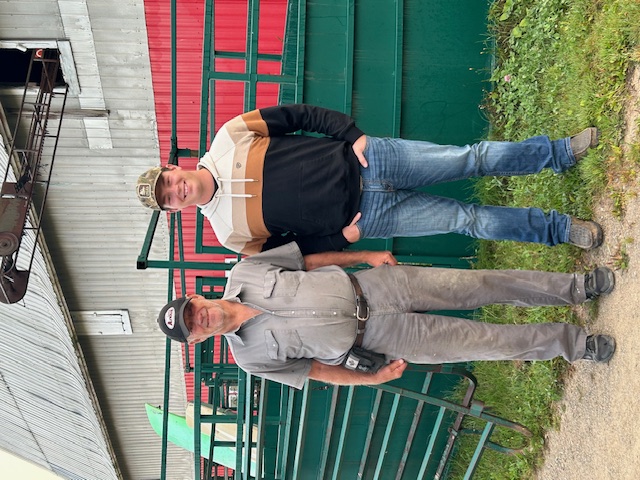
Meet Don and Geraldine Bettle, farmers from Passekeag, New Brunswick.
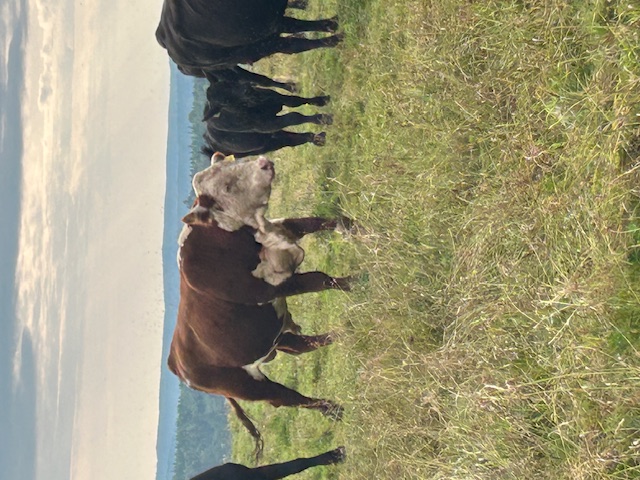
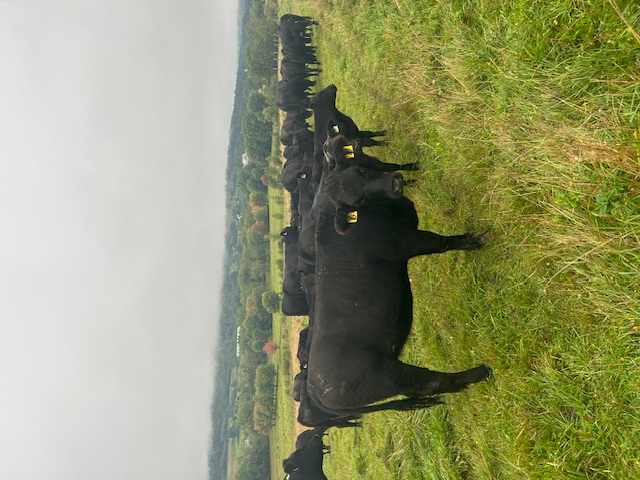
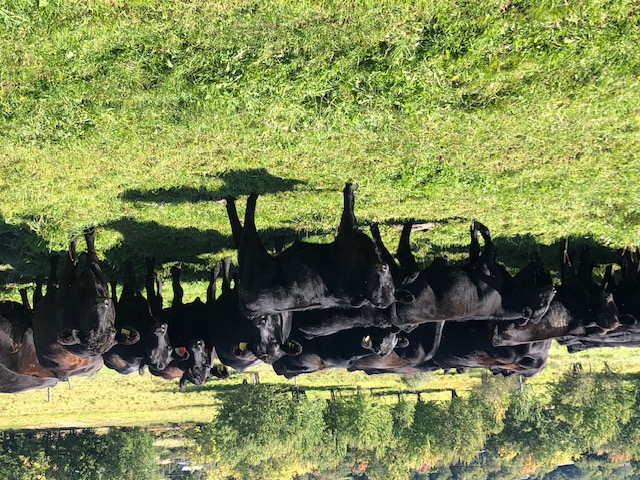
Passekeag Holdings Inc. is a third-generation family farm located about 50 kilometres north of Saint John, NB, along the Kennebecasis River. The farm has been in the family since the 1800s. Don and Geraldine purchased it in 1977 and ran a dairy operation until 2005, having introduced beef cattle alongside the dairy herd in 1985. Today they run a 70-head Angus-based cow herd across 400 acres of farmland and a 200-acre woodlot, including 4.8 kilometres of riverfront along the Kennebecasis River. Their grandsons Hudson and Elliott help out on the farm as much as possible, and the family hopes to grow the herd to around 100 breeding females in the years ahead.
"Our greatest source of pride lies in being able to operate a productive farm while improving the land base. Maintaining healthy grasslands is the foundation of both the farm and the local ecosystem." — Don Bettle, Passekeag Holdings Inc.
“We believe that the beef industry has a really good story to tell about cattle and the environment. We have tried to share that story whenever we can. Being CRSB certified gives us more credibility with non-farm public.”

.svg)
.svg)



The Bettles work closely with several organizations to guide their land stewardship, including the Kennebecasis Watershed Restoration Committee (KWRC), Ducks Unlimited, and New Brunswick Living Labs Enhanced Riparian Area project. Farm and land management is also guided by an Environmental Farm Plan through the Agricultural Alliance of New Brunswick.
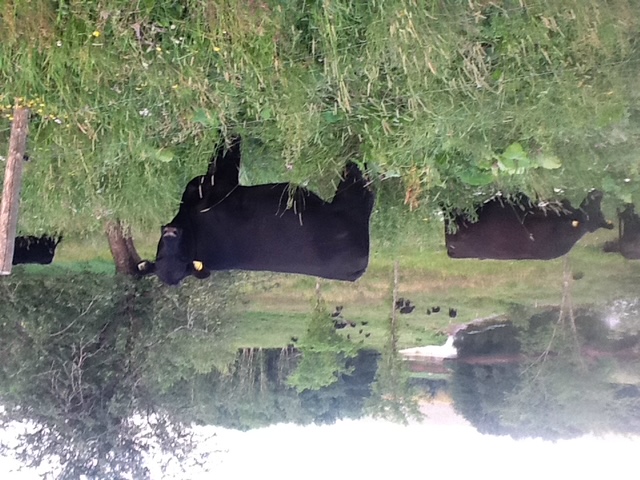
Growing up along the Kennebecasis River, protecting water quality and riparian areas has always been central to how Don farms. In total, about 4.8 kilometres of riparian zone along the river is protected. Nearly six hectares of floodplain have been conserved in partnership with the KWRC, and 300 acres of wetland have been set aside in collaboration with Ducks Unlimited and the KWRC.
"Growing up on the farm, the river has always been an important part of my life," says Don. "So when we began farming it was important to use management practices which protected the riparian areas and water quality. It is important to look after the environment, but many of those practices also improve the productivity of our own land as well as the health and productivity of the beef herd."
Beginning in 2009, native tree and shrub species were planted across nearly four kilometres of floodplain, with those plantings now shading the riparian ecosystem and stabilizing riverbank erosion. From 2022 to 2024, a two-kilometre riparian buffer was fenced along the lower grazing grounds, with 4,000 additional trees, pollinator-friendly shrubs, and watering troughs established as part of the project.
Wildlife corridors have developed naturally between wooded areas, supporting hawks, swallows, beavers, otters, mink, and various fish species. Duck nesting boxes have been installed to encourage waterfowl, and swallow populations are maintained as part of integrated pest management to reduce the need for chemical fly control.
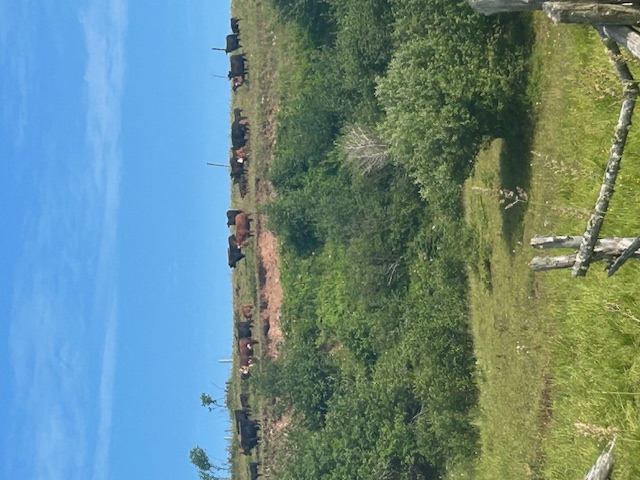
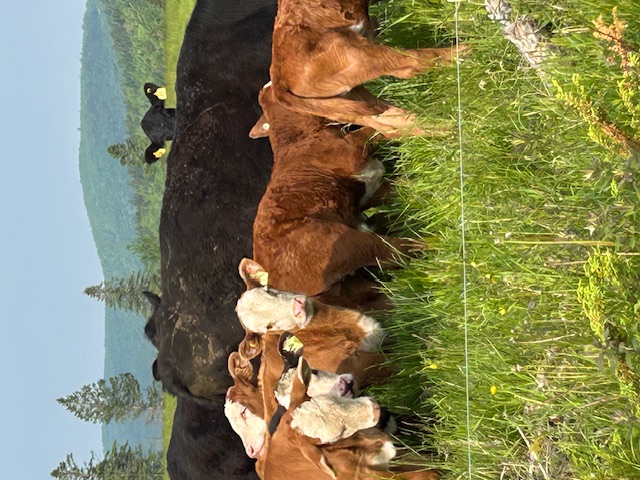
The cow herd begins calving in April and May at the home place at Passekeag. Later, part of the cow-calf herd is moved to pasture near Salt Spring about 16 kilometres away, while a small herd of purebred Angus and Hereford cattle remain at home. Bulls are turned out for breeding in July.
On the grazing side, the farm features eight rotational paddocks with a rest period of 35 to 40 days between grazing, supporting strong forage regrowth and soil health. Eight watering systems across the home farm and Salt Spring location enable better cattle distribution across the property. Marginal land has been rehabilitated through bale grazing, with nutrient-rich hay fed over alder bushes to gradually improve soil and plant biodiversity. Forage species include fescue, timothy, orchard grass, clover, and trefoil.
In an effort to improve soil fertility and health on soils generally prone to low pH, soil testing is done when possible, with lime applied as finances allow. Salt Springs fields in particular tend to require more inputs than the home farm. Despite these challenges, the Bettles have seen considerable success through the use of livestock to rehabilitate marginal ground.
"The biodiversity also lives in grasslands, and you need cattle or ruminants to manage the grasslands," says Don. "Living alongside the river reinforces our commitment to protecting water quality and biodiversity, not just for the benefit of the farm, but also for the community, the ecosystem, and our own enjoyment."



.svg)