Meet John Smith and Laura Laing, ranchers from Nanton, Alberta.
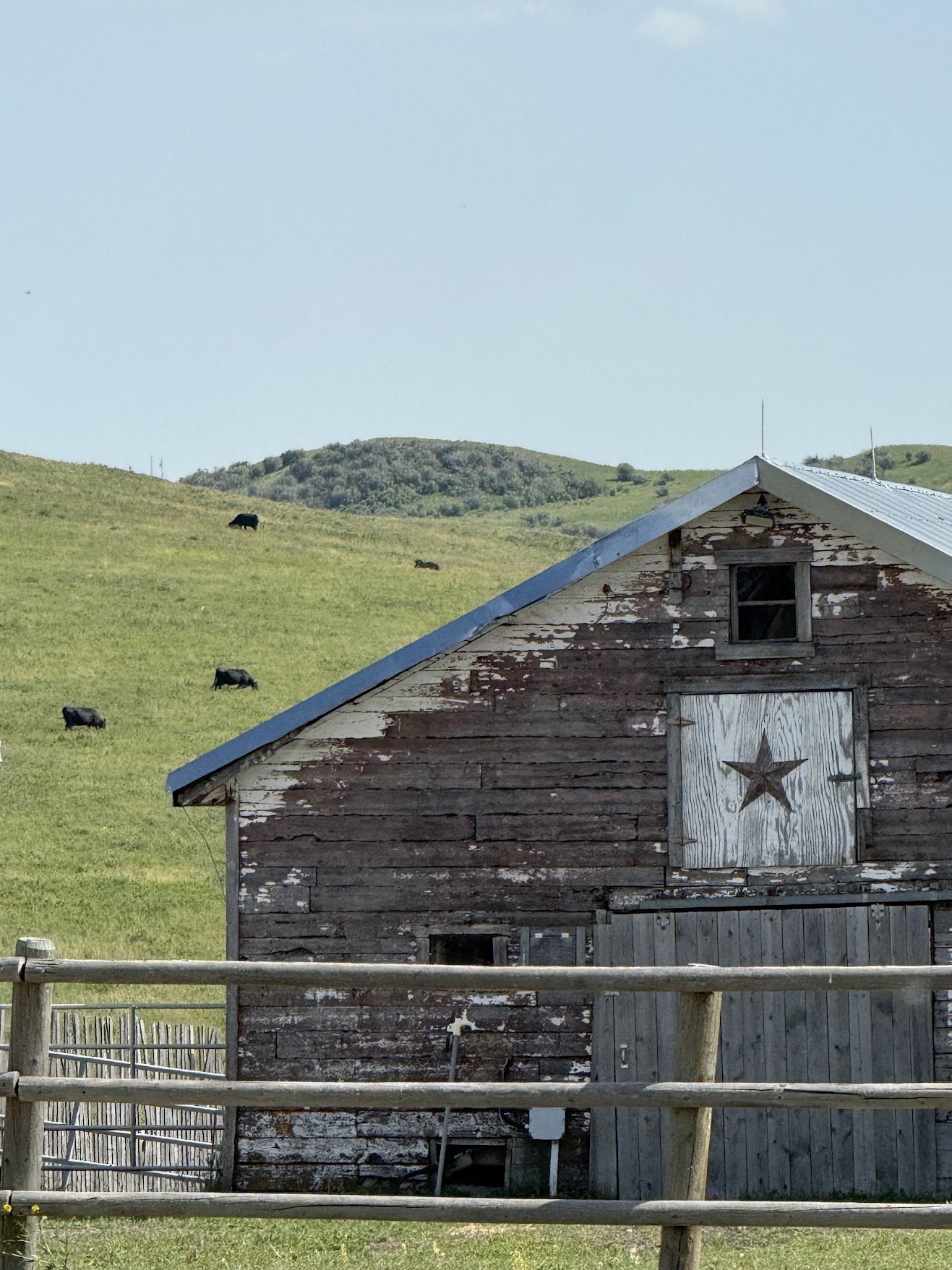
Plateau Cattle Co. is a 450-head commercial cow-calf operation located west of Nanton, about an hour south of Calgary. John is the third generation on the ranch, which was started by his maternal grandparents, John and Shirley Hay, in 1959. John and Laura took over from his parents, Serena and Dan Smith, in 2016 and renamed the operation after the nearby Plateau Mountain range.
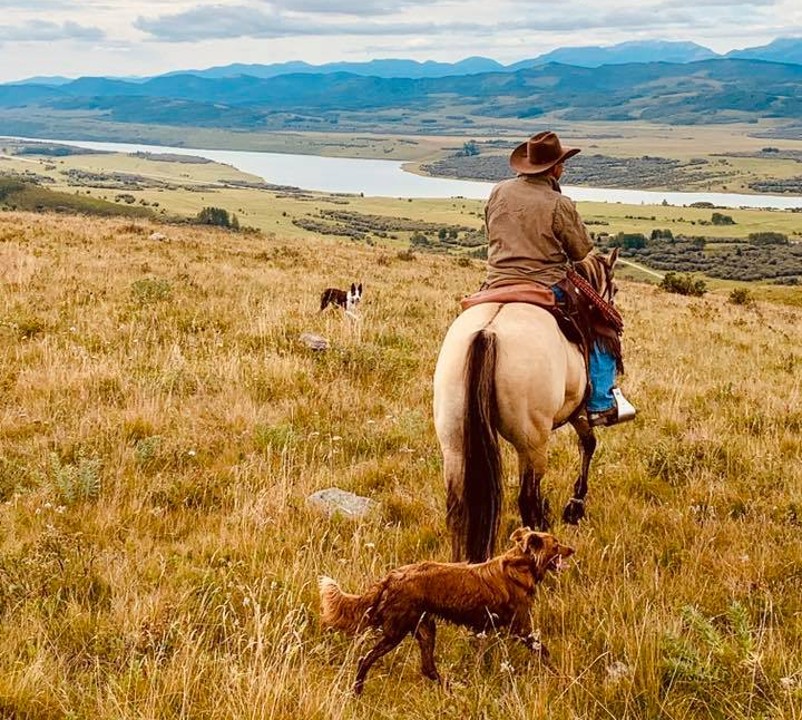
Along with the home place of about 1,200 acres of pasture and hay land, they hold a Crown land grazing lease in the Mount Livingstone Range and are shareholders and board members of both the Spruce Grazing Co-op and the Waldron Grazing Cooperative, one of the largest grazing co-operatives in North America at approximately 88,000 acres.
The herd focuses on efficient and functional Black Angus and Black Angus cross mother cows well suited to timbered and open range native grass pastures.

.svg)
.svg)



“For us, doing our best to work with nature and protect the environment goes hand in hand with our objective to run an efficient cow-calf operation that produces high quality beef,” — John Smith
"Our goal is to continue our efforts to produce the best quality cattle we can, under low stress and thoughtful production practices, while at the same time protecting and hopefully improving the natural resources for the next generation, which all contributes to a sustainable and profitable beef industry in Canada for the future." — Laura Laing
“I believe Canadian ranches provide a host of environmental services as well as an elite product. Some of these services include protecting and stewarding our disappearing native grasslands and preserving our headwaters—all things that we believe in. It's important that ranchers and CRSB convey these beliefs to the government and the general public.” — John Smith
For John and Laura, animal welfare and environmental stewardship go hand in hand with running an efficient operation. They have installed a Bud Williams-inspired handling system to reduce stress on cattle, and in 2023 John earned the title of Ultimate Stockmanship Challenge Champion. They no longer use hot-iron branding, noting 18 to 21 pounds more gain per head in their first year without it, and have designed custom chute mats to provide a calming effect during processing.
From birth, calves receive tactile stimulation through a calf massage program developed in partnership with Olds College, which has shown improvements in calf health, gains, and stress response. Plateau Cattle Co. has participated in four research trials to date and works closely with Veterinary Agri-Health Services of Airdrie and researchers at Olds College to stay current on practices that enhance herd health and performance.
Calving was shifted from February to early April to better align with spring conditions. The Sandhills calving system is used to reduce disease risk by moving cow-calf pairs to fresh ground shortly after birth, and fence-line weaning has been adopted to minimize stress on cows and calves alike.
On the range side, they have reduced their herd from 650 to 450 head to better match cattle numbers with forage carrying capacity during consecutive years of drought. They have fenced off dugouts and riparian areas, are working to eliminate annual cropping and return all acres to perennial forages, and have installed off-site solar powered watering systems to improve cattle distribution across extensive range areas. Three dugouts connected by a flowing creek serve a similar function to beaver dams in maintaining wetland and riparian areas throughout the ranch. Plateau Cattle Co. is also one of only three ranches in Alberta to deploy Halter virtual fence technology, which allows for precise control of cattle distribution across range areas without traditional fencing infrastructure.
To protect beneficial insects such as dung beetles, parasite egg counts are used to monitor pest load, allowing deworming treatments to be used only when medically necessary.
"It is important that everyone appreciates the value of native grasslands and water resources. It's not just important to the livelihood of the ranching community that directly uses these resources, but also to the livelihood of dozens of communities and thousands of people across southern Alberta. If these resources aren't carefully managed and protected, it will have a tremendous negative impact that will affect several generations to come." — Laura Laing, Plateau Cattle Co.
.jpg)
.jpg)
.jpg)
.jpg)
.jpg)
.jpg)
.JPG)
.JPG)





.svg)