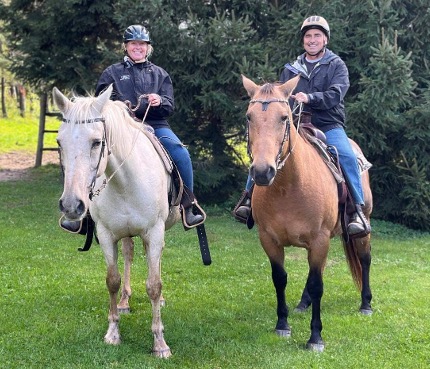
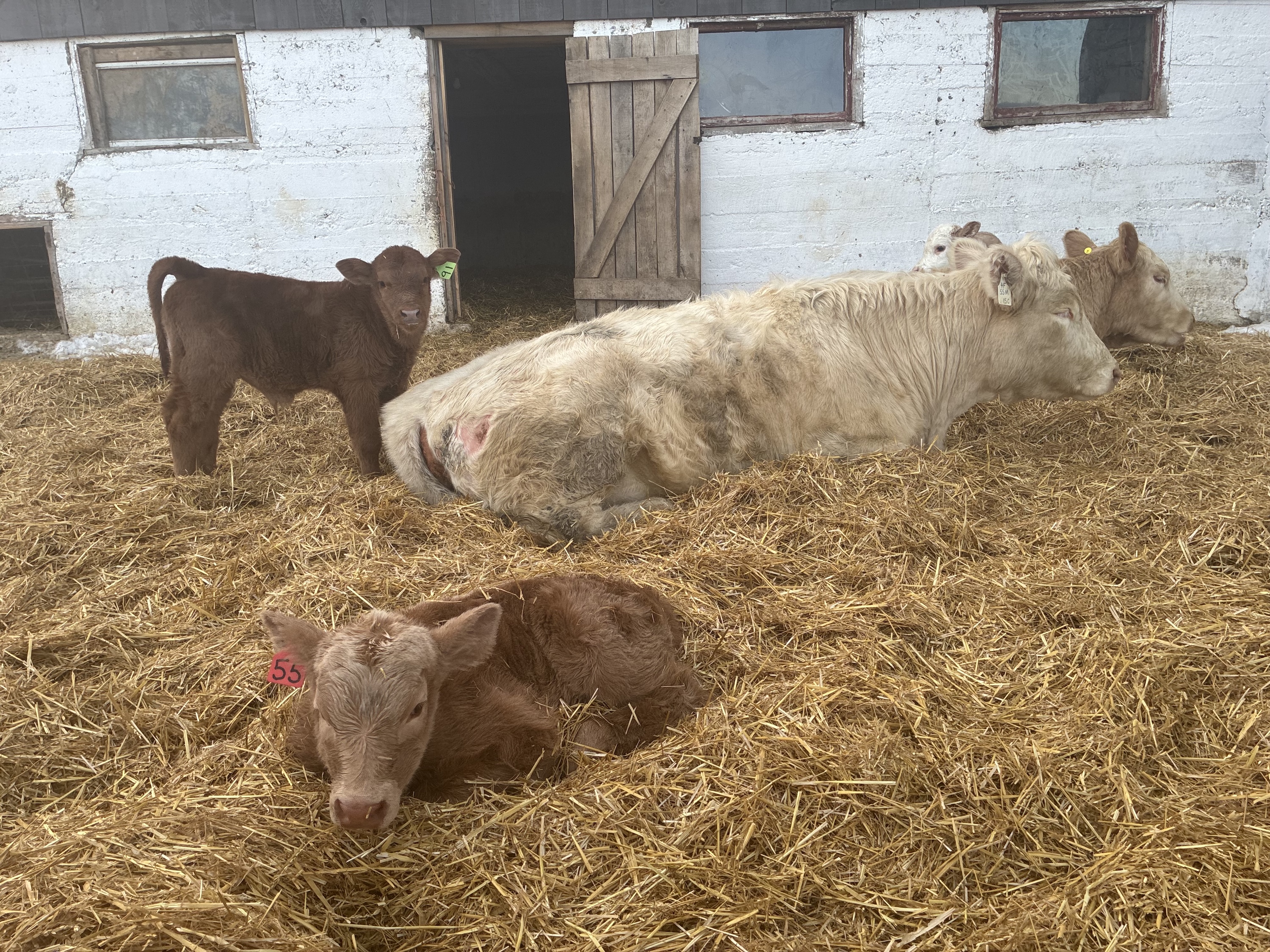
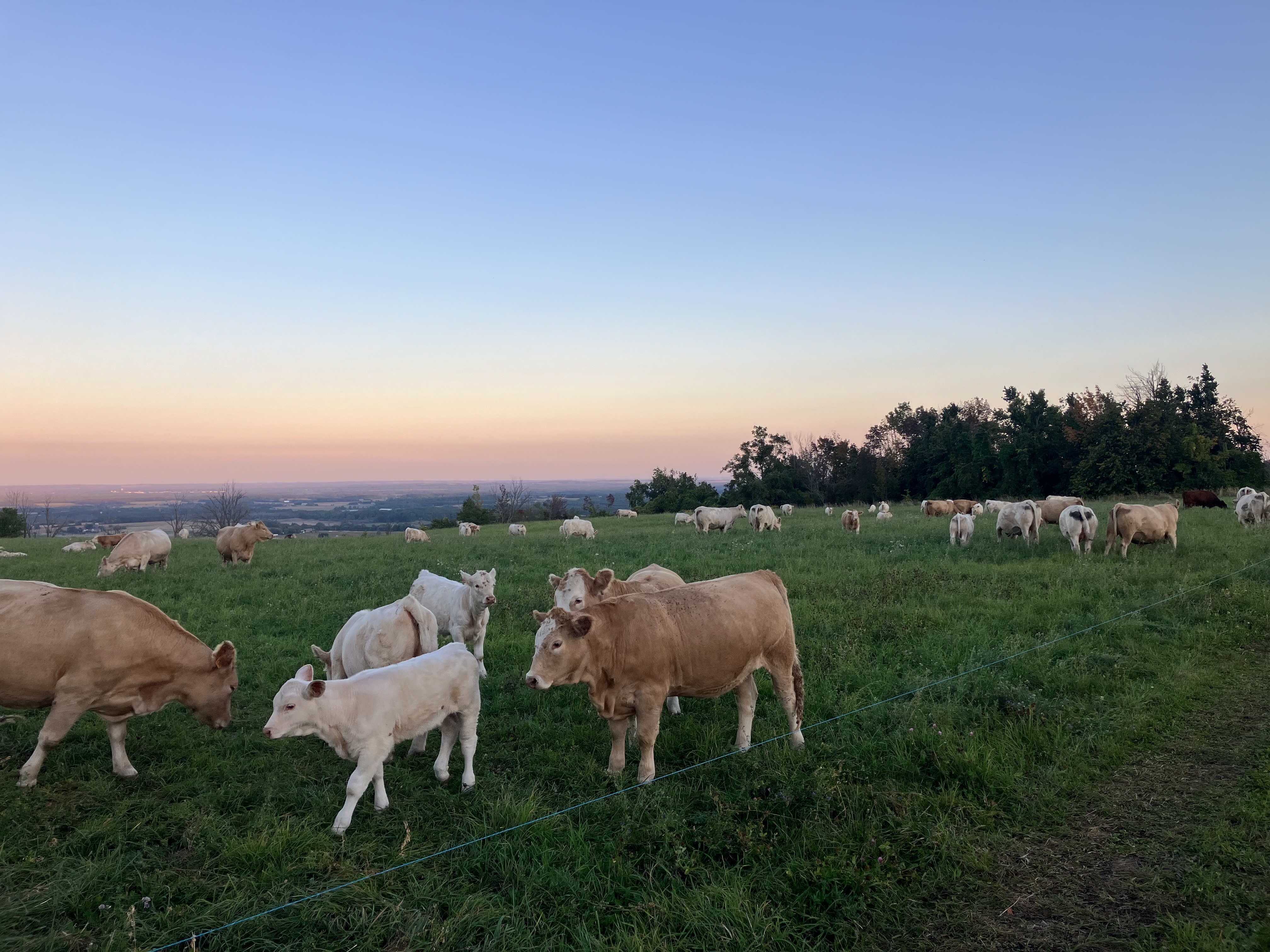
Meet Jim & Myrna Whitley of Whitley Farms located on the Niagara Escarpment in Ontario.
The Whitleys came to this farm in 1915 and Jim purchased it from his parents in 1992.
Jim's parents ran a small feedlot with a few cows on the steep sidehills that couldn't be safely cropped - a landscape that lends itself well to grazing cattle. Myrna and Jim both had off farm jobs and 4 children in 4.5 years (!) so pasturing cattle and sheep also fit well into their lifestyle.
Currently, they have a commercial Charolois breed based cow herd of around 40 cattle.


After retiring within a few years of each other around 2018, Jim and Myrna focused on increasing the herd and employing more intensive grazing. They purchased a neighbouring farm, expanded their direct beef sales business and started a fencing business with the equipment they purchased to fence their own farm.
Since then their oldest son Zach has taken over the direct sale beef business, and their son Clay has taken over the fencing business, growing it to be his own full time job.
The Whitleys "Life Recipe is a dynamic balance - to keep the balance and energy and balance these pillars of sustainability:
1. Family relationships
2. Health and safety (physical and mental)
3. Maintaining the environment, and
4. being financially sustainable.
As they make each business and/or life decision they weigh the pros and cons of each pillar. Many times, an opportunity in one area could be a negative in another - very few decisions are a "win" in every pillar so the impacts need to be weighed out thoughtfully and wholistically.
Sustainability is the ongoing practice of keeping our whole life recipe in balance for the long term - today, tomorrow and for generations to come.
Whitleys have been a certified beef operation for many years, and Jim is also an assessor (auditor) for the Verified Beef Production Plus program. Initially, becoming certified was to help grow the on-farm beef business to provide customers assurances as a trusted supplier.
Since then, they have expanded this approach to embrace the best management practices to improve their farm practices. Jim says his experience as an assessor of other farms has been extremely beneficial to provide ideas and practical solutions to implement on their own farm.
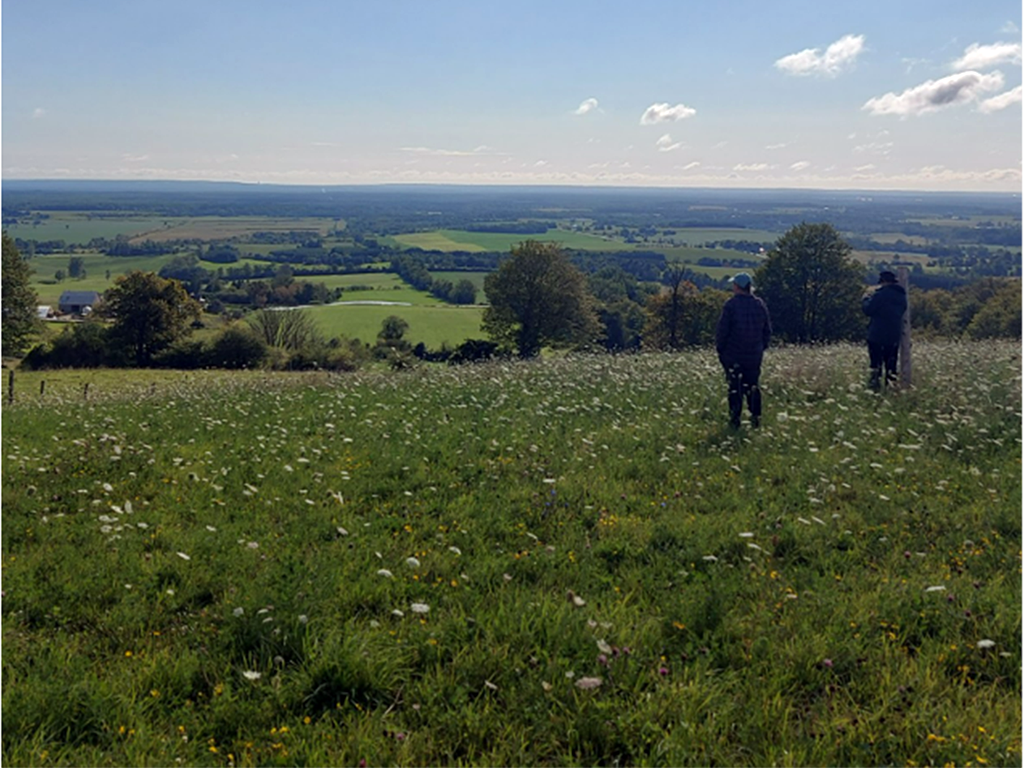
Whitley Farms is part of the Niagara Escarpment Protection area which is meant to protect an environmentally sensitive area. There is a nearly 400 ft. elevation change from the top of the farm to the bottom so erosion is a significant issue. Runoff on land used for crops meant losing topsoil which ended up in road ditches, and transporting equipment to take all the feed down the hill, and the manure back up the hill was inefficient. The slopes are now kept for grass cover.
Two streams on the farm feed into the Nottawasaga watershed, so pond access for cattle has been fenced out, and remote "in pasture" water tubs are used for cattle water supply. In 2025, two windmills were installed to help aerate the ponds and hopefully foster/attract diverse wildlife and water fowl.
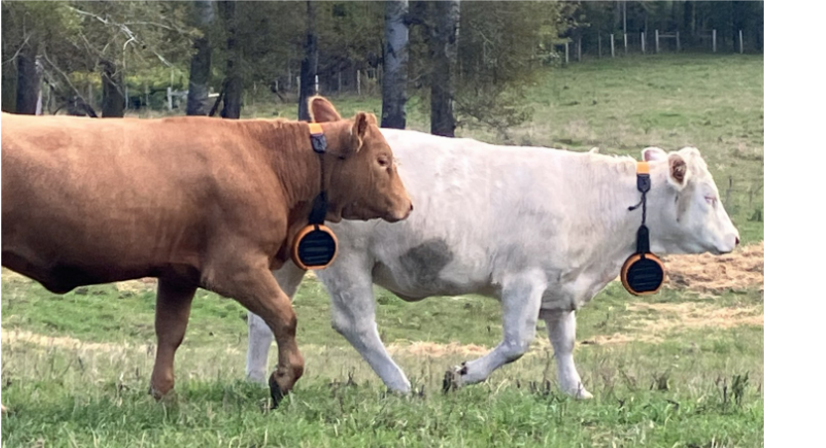
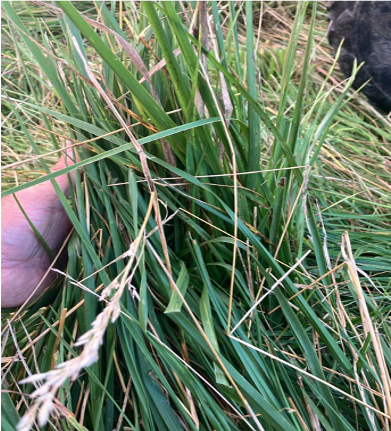
Whitleys work to improve the production through intensive grazing and investing in genetics to maximize cattle growth. GPS E-collars for the cattle to helped expand intensive grazing practices in the summer but also to allow remote pasture winter bale grazing, which is very beneficial for pasture regeneration.

We have chosen to be beef farmers because we have a passion for the industry and also for the individual animals. It is in our DNA to provide a safe environment so our cows can flourish and have the best possible life.
The best day of the year is when we take our calves to the auction and see how they measure up compared to other farmers. We learn from it and start the process all over again with excitement and enthusiasm.
CRSB certification gives us a baseline of what it means to be a good farmer but also a good citizen both locally and for the greater good of our planet.
The requirements related to how community issues are solved with neighbours, the importance of safeguarding our farm from disease, emergency planning and cattle health treatment records are all intergal to our success. These practices are important for us to be sustainable and productive for generations.